
As a general guide: a single-room cosmetic refresh might take 1-2 weeks, a full bathroom or kitchen renovation typically takes 2-4 weeks, and a whole-house renovation can run from 2-6 months depending on scope. These are working-time estimates for the build itself — they don't include the planning, design and quote-gathering phase beforehand, which often takes longer than people expect.
Timelines below assume no major unforeseen problems and a competent contractor with a clear schedule — real projects frequently run longer, and it's sensible to budget extra time as well as extra money.
Single room refresh (painting, flooring, minor electrics)
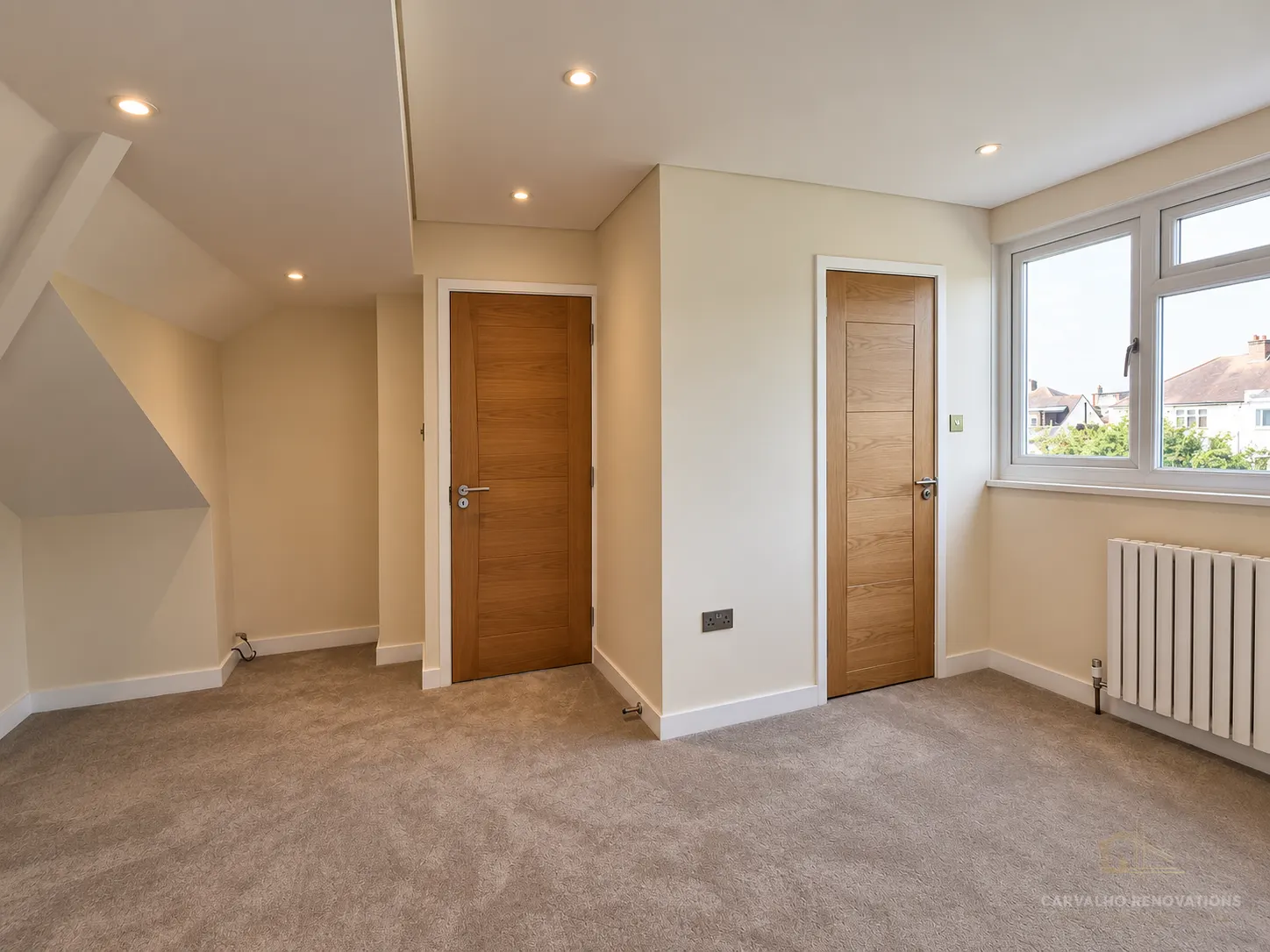
A cosmetic update to a bedroom or living room — new flooring, painting, updating light fittings — typically takes 1-2 weeks depending on room size and whether multiple trades are involved sequentially (electrician, then flooring, then decorator, for example).
Bathroom renovation
A full bathroom renovation, from strip-out to finished tiling and fittings, usually takes 2-3 weeks for a standard bathroom, extending to 3-4 weeks for a larger space, a wet room conversion, or where pipework needs significant alteration. See our room-by-room cost guide for what typically drives the budget alongside the timeline.
Kitchen renovation
Kitchens generally take 3-6 weeks from strip-out to completion, longer if structural work (removing a wall, changing the room's footprint) is involved, or if there are delays waiting for cabinetry and worktops to be manufactured and delivered — lead times on bespoke kitchen units are a common, often underestimated, source of delay.
Replastering a room
Replastering itself is relatively quick — often 1-3 days of actual plastering work per room depending on size — but plaster needs time to dry fully before painting, typically at least a week depending on conditions, which extends the practical timeline even though the "work" is short. See our replastering cost guide for more detail.
Adding a home office or downstairs WC
Converting existing space into a home office without new plumbing can often be done in 1-2 weeks. Adding a downstairs WC or utility room takes longer, typically 2-4 weeks, since it involves new plumbing, drainage connections, and often building regulations sign-off.
Whole-house renovation
A full renovation of an entire house — multiple rooms, possibly including structural work — commonly takes 2-6 months depending on the property's size and condition, and considerably longer for a period property (see our guide to renovating a period property) where unexpected issues are more likely to surface once work is underway.
What most often extends a timeline
- Waiting for materials. Bespoke or imported items (kitchen units, certain tiles, specific fittings) can have lead times of several weeks that aren't always factored into an initial schedule.
- Discovering hidden problems. Damp, old wiring that doesn't meet current standards, or structural issues found once walls are opened up all add time.
- Sequential trades. If plumbers, electricians, plasterers and decorators can't overlap their work, the project takes longer than if trades are scheduled to run in parallel where possible.
- Living in the property during work. Working around occupants — needing to keep a kitchen or bathroom partially usable — genuinely slows progress. See our comparison of living in vs moving out during renovation.
Whatever timeline your contractor gives you, it's worth understanding how to compare renovation quotes from different contractors, since a suspiciously fast timeline alongside a low price can sometimes be a red flag worth investigating rather than simply welcoming — see our guide to red flags when hiring a builder.
Permissions and inspections that add time
Where building regulations sign-off is required — for structural work, new plumbing, or certain electrical work — factor in time for Building Control inspections at defined stages of the work, not just the final certificate. These inspections are scheduled around the inspector's availability as well as your contractor's progress, and missing one can mean waiting for the next available slot rather than simply continuing. Planning permission, where it applies, sits entirely outside the build timeline and should be resolved before a start date is even set, since it can take weeks to months depending on your local authority and the complexity of the application.
Scheduling multiple trades
A well-run renovation schedules trades so that, where possible, work happens in parallel rather than in a strict queue — an electrician first-fixing while a plasterer works in a different room, for example. A contractor who manages this well can meaningfully compress an overall timeline compared with one where each trade waits for the previous one to fully finish before starting. When comparing quotes, it's worth asking not just for a total duration but for a rough week-by-week breakdown, since this reveals how much genuine planning has gone into the schedule versus a single optimistic headline figure.
Snagging and final completion
Most renovations have a "snagging" period after the main work finishes — a list of minor defects or unfinished details (a paint touch-up, a sticking door, a loose fitting) that get resolved before the project is considered fully complete. Build a realistic allowance for this into your overall timeline expectations rather than assuming the handover date is the absolute final day of any work whatsoever.
Frequently asked questions
Related articles
How Much Does It Cost to Renovate a House Room by Room?
A room-by-room UK cost reference for renovation projects, from a full kitchen or bathroom refit to smaller jobs like replastering or adding a home office — with realistic ranges and what actually drives the price up or down.
How Much Does Replastering a Room Cost?
What replastering a room typically costs in the UK, the difference between skimming and full replastering, and why it's often underestimated in renovation budgets.
How Much Does It Cost to Add a Home Office to Your House?
What it typically costs to convert existing space, a garage, or a garden building into a home office in the UK, and what affects the price the most.
Want a realistic timeline for your project?
Carvalho Renovations gives you a clear, honest schedule from the outset — not just a lowball number to win the job.
Get a Free Quote